Planning & venues (South Africa)
How to Plan a R150,000 South African Wedding in 2026
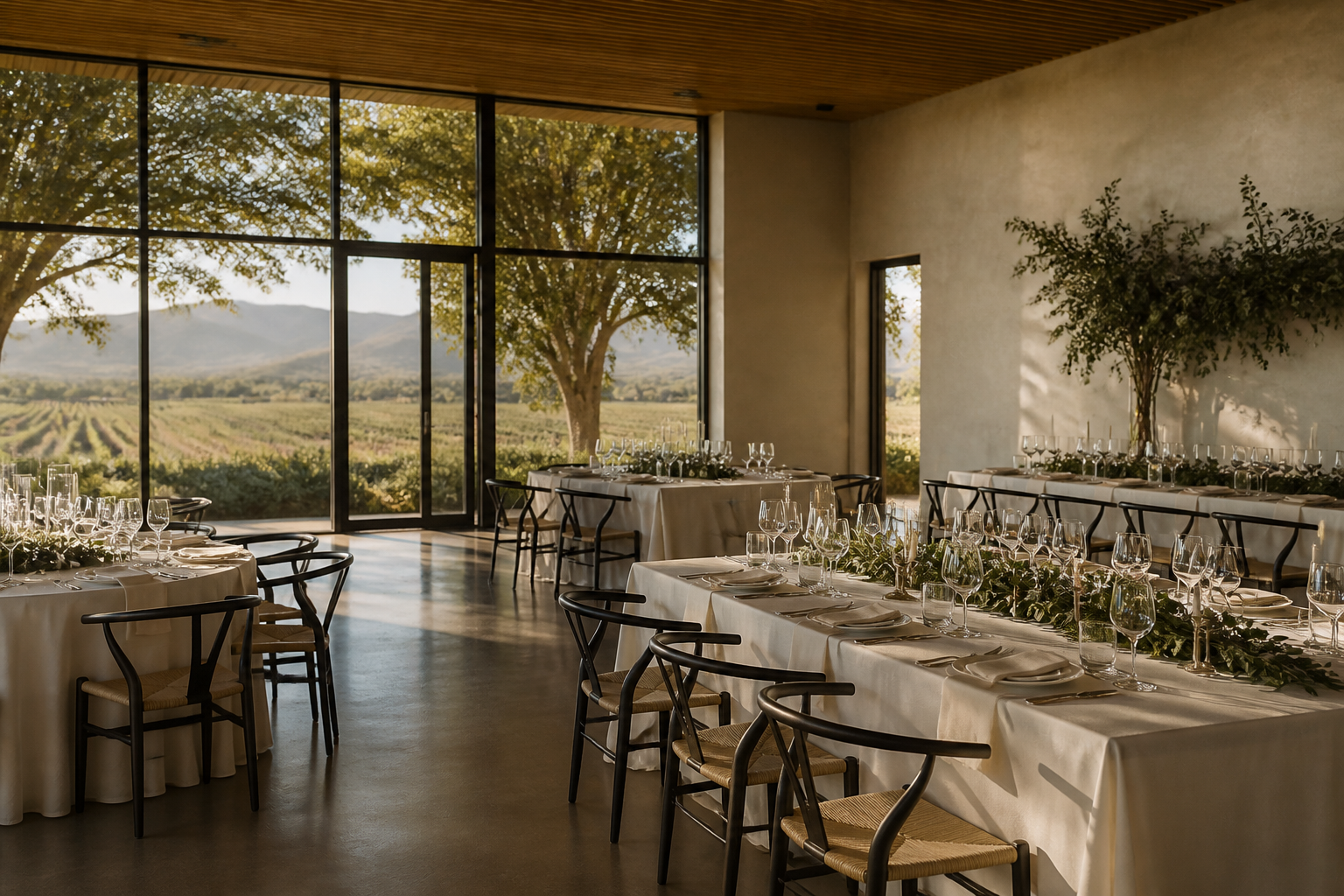
Planning a wedding in the current economic climate requires more than just an aesthetic vision; it requires a calculated strategy. As we navigate the mid-2026 landscape, high inflation and rising service costs have redefined what 'mid-range' looks like. For many local couples, the challenge is twofold: honouring cultural traditions such as Lobola while attempting to host a sophisticated celebration. Navigating a South African wedding budget 2026 demands a move away from traditional excess toward what we call the 'low-boutique' approach—prioritising high-impact editorial details over sheer guest volume. For the purposes of this guide, the R150,000 budget applies to the wedding celebration itself and excludes lobola negotiations and related traditional commitments, which will differ for every family.
Building a meaningful celebration on a R150,000 budget is entirely possible, provided you are willing to trade the 'predictable' for the 'purposeful'. In this guide, we break down how to allocate your funds, manage dual-ceremony expectations, and use digital tools to ensure every Rand performs at its peak.
The Realities of the 2026 Wedding Economy
Inflation has touched every corner of the events industry, from imported textiles to locally sourced floral arrangements. In 2026, the R150,000 mark is a competitive bracket. It sits comfortably above 'budget' but requires significantly more curation than a 'luxury' spend. To make this work, couples must first separate their marriage costs into two distinct buckets: the traditional legal/cultural commitments (Lobola and associated negotiations) and the celebratory event costs.
By treating Lobola as a separate financial pillar, you protect the wedding day budget from being depleted before the first deposit is even paid. This transparency is vital for long-term financial health. The 'low-boutique' philosophy focuses on a smaller guest list—typically 50 to 80 people—allowing for a higher spend-per-head on food, wine, and atmosphere, rather than stretching a thin budget across 200 guests.
Allocation: Where the R150,000 Goes
When working within this specific framework, your allocation should favour the elements that guests remember most: the venue, the food, and the overall 'vibe'. Here is a suggested breakdown for a 60-guest wedding in 2026:
- Venue & Catering (50%): R75,000. This includes a boutique venue, a refined three-course meal, and a modest bar tab. Opting for a venue that is naturally beautiful reduces the need for heavy decor spend.
- Photography & Documentation (15%): R22,500. High-quality documentation is non-negotiable. It is the only tangible thing that remains.
- Attire & Beauty (10%): R15,000. This favours minimalist, high-quality local designers or curated ready-to-wear pieces over heavily embellished imports.
- Decor & Floristry (10%): R15,000. Focus on 'monobloom' styling or sculptural greens rather than extravagant floral arches.
- Digital Infrastructure & Stationery (5%): R7,500. This covers your website, digital invites, and essential on-day signage.
- Contingency (10%): R15,000. Essential for the 2026 market to cover unexpected price fluctuations.
The Digital Advantage: Saving Time and Capital
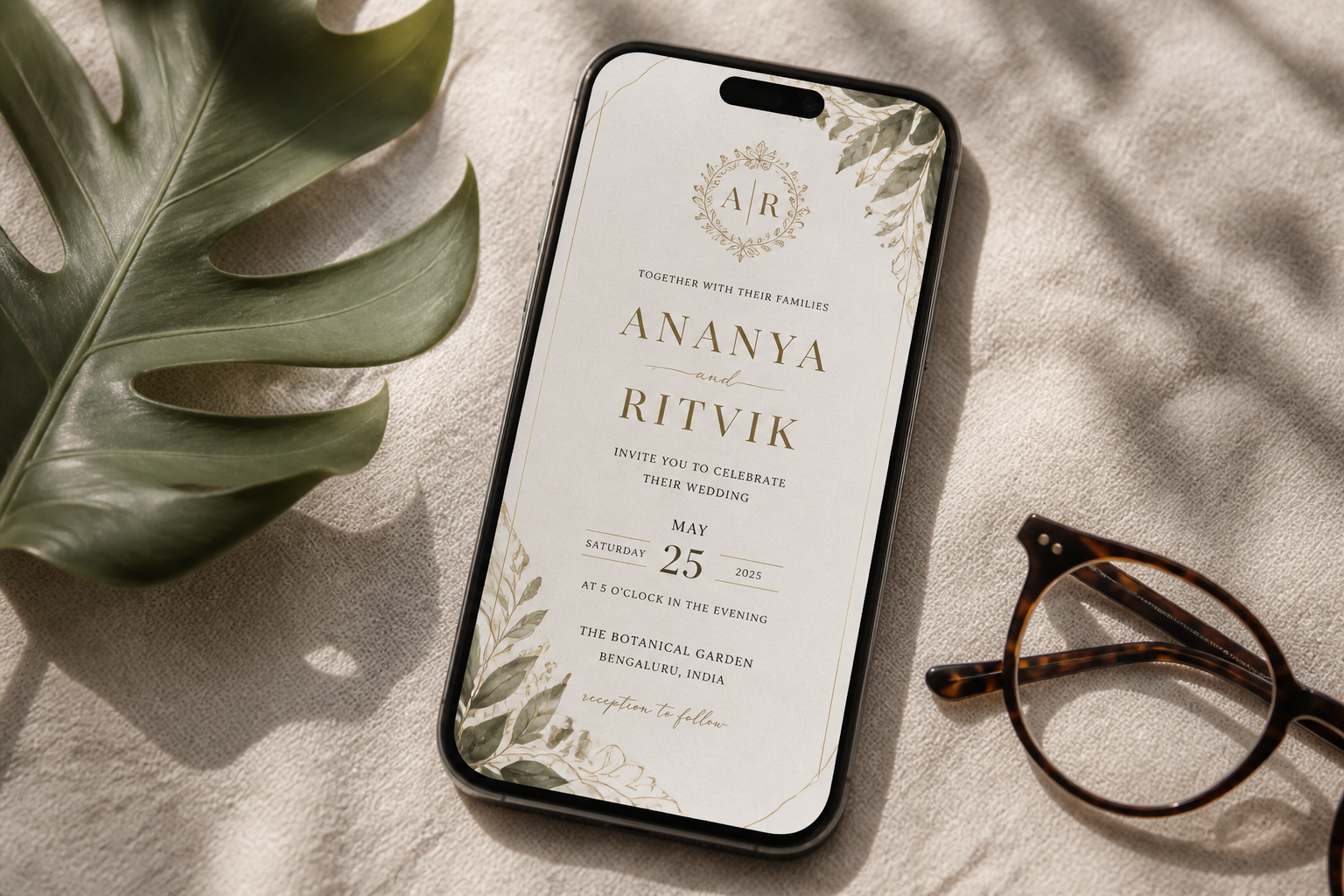
One of the most overlooked ways to protect a South African wedding budget 2026 is the strategic use of a bespoke wedding website. Traditional paper stationery suites—including save-the-dates, formal invitations, RSVP cards, and maps—can easily consume R10,000 to R15,000 of your budget when factoring in high-end printing and courier costs.
By transitioning to a premium digital platform, you reclaim those funds for the guest experience. A wedding website does more than just look beautiful; it acts as a central hub that manages RSVPs, dietary requirements, and gift registries in real-time. This eliminates the frantic 'admin weeks' that usually precede a wedding, saving you dozens of hours in manual follow-ups. In a boutique budget, time is as valuable as currency.
Furthermore, a digital guest portal allows you to share logistical details for both the traditional and white wedding ceremonies in one cohesive space, ensuring no guest is left confused by the nuances of a dual-ceremony weekend.
Venue Selection for the 'Low-Boutique' Couple
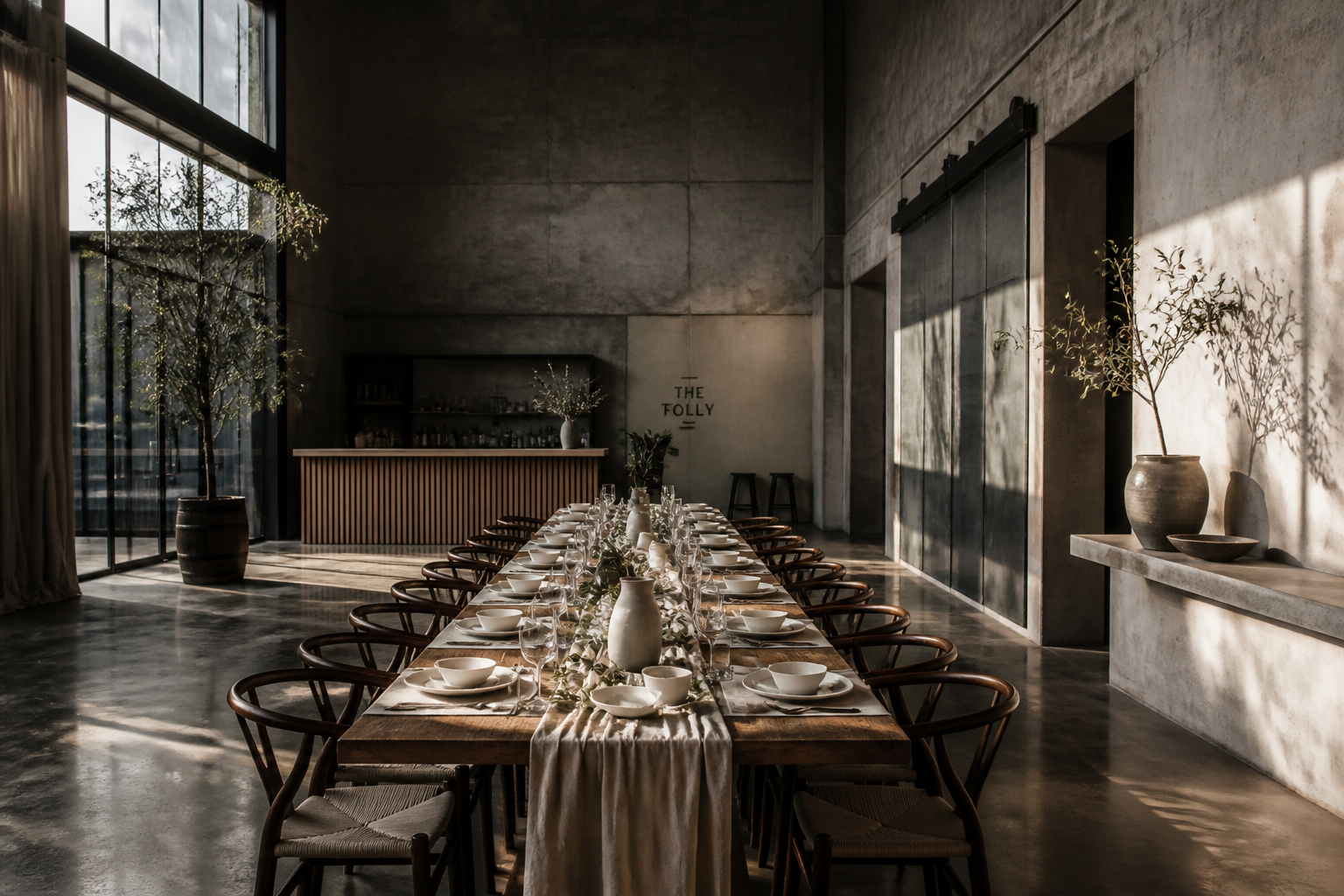
In 2026, the venue is your most significant ally. To stay within the R150,000 range, look for venues that offer 'internal value'. This means choosing a space that already possesses the aesthetic soul you desire—perhaps a modern industrial loft in Johannesburg, a minimalist gallery in Cape Town, or a refined farmhouse in the Natal Midlands.
Avoid venues that require 'masking'. If you have to spend R20,000 on draping and lighting just to make the room presentable, it is not the right venue for a boutique budget. Instead, choose a space where the architecture does the heavy lifting, allowing your decor budget to be spent on thoughtful touches like linen napkins or bespoke candles rather than बुनियादी infrastructure.
Balancing Traditional and Formal Wedding Celebrations'
For many South African couples, the 'wedding' is actually a series of events. Balancing the costs of the Umabo or traditional celebration alongside the white wedding requires a disciplined approach to the R150,000 goal. One effective strategy is to split the aesthetic focus: perhaps the traditional ceremony is a vibrant, community-focused gathering at home, while the boutique wedding is a curated, intimate dinner at a restaurant or small venue.
Being transparent with family about the budget early in 2026 is crucial. Inflation has affected everyone; there is no longer a stigma in choosing intimacy over scale. A well-executed, smaller event with premium finishes will always be more memorable than a large, underfunded one.
Frequently asked questions
Ready to Make Your Wedding Admin Easier?
Start with a free sample concept built around your wedding — no obligation, no pressure.